Home › Industries › Property Managers & Landlords
Industries · Harrisburg, PAPlumbing for Property Managers & Landlords in Harrisburg, PA
Property managers and landlords in Harrisburg face a different plumbing problem from a homeowner: the same systems, multiplied across units, with tenants who report problems late and a turnover schedule that does not wait for a repair. A rowhome in Midtown with three units has three toilets, three w
Talk with a local plumbing professional
Hours: Mon–Fri 7:00 AM–10:00 PM ET · Sat 8:00 AM–10:00 PM ET · Sun 7:00 AM–9:00 PM ET
Call NowPlumbing for Harrisburg rental properties
Property managers and landlords in Harrisburg face a different plumbing problem from a homeowner: the same systems, multiplied across units, with tenants who report problems late and a turnover schedule that does not wait for a repair. A rowhome in Midtown with three units has three toilets, three water heaters or one shared one, and a single lateral that carries all of it. A small apartment building in Allison Hill has a cast-iron stack that has been narrowing for generations and a lateral that has never been camera-inspected. A suburban rental in Mechanicsburg has a ranch with a utility-room heater and a long lateral that clogs every few months.
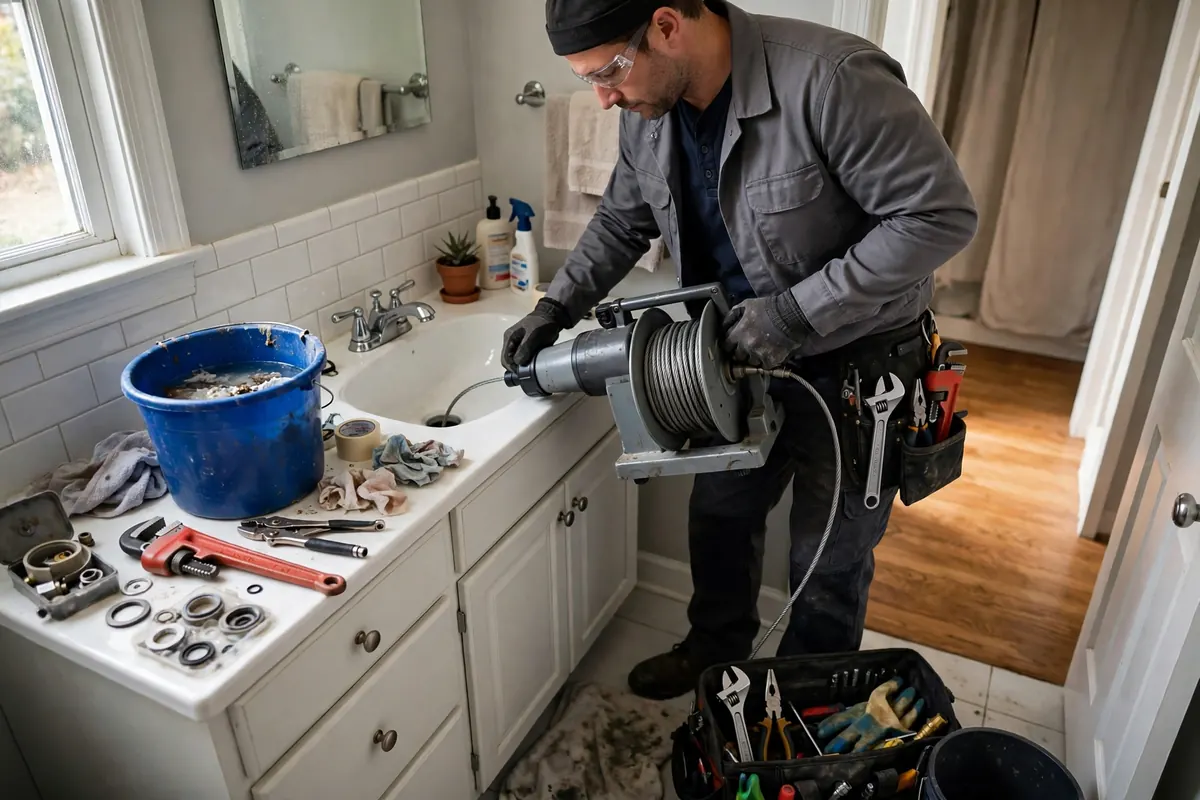
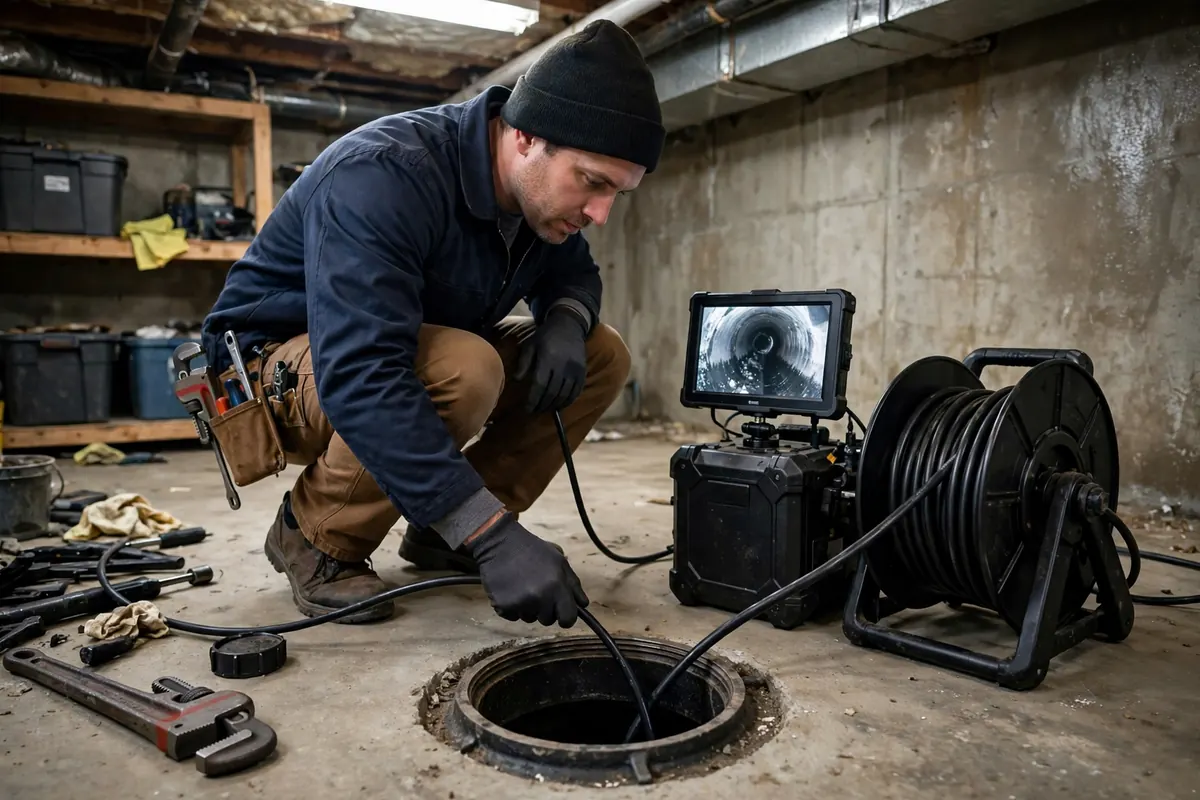
The work is planned around the portfolio rather than the single call. A recurring clog in one unit is a fixture problem; a recurring clog in several units in the same building is a lateral problem, and the camera inspection is what separates the two. A water heater that fails in one unit is a repair; water heaters failing across a portfolio on the same schedule are a replacement program. The service pages on this site explain each job, and the areas pages explain the local picture in each community.
What property plumbing covers
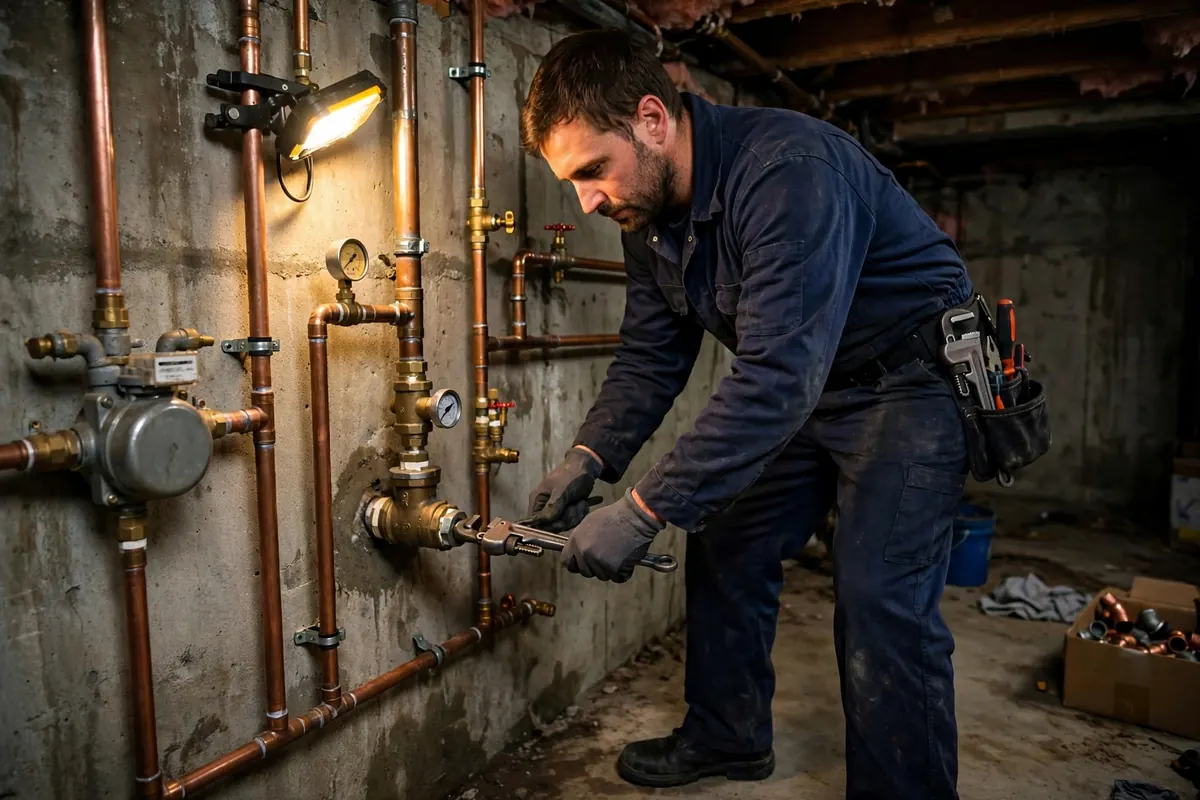
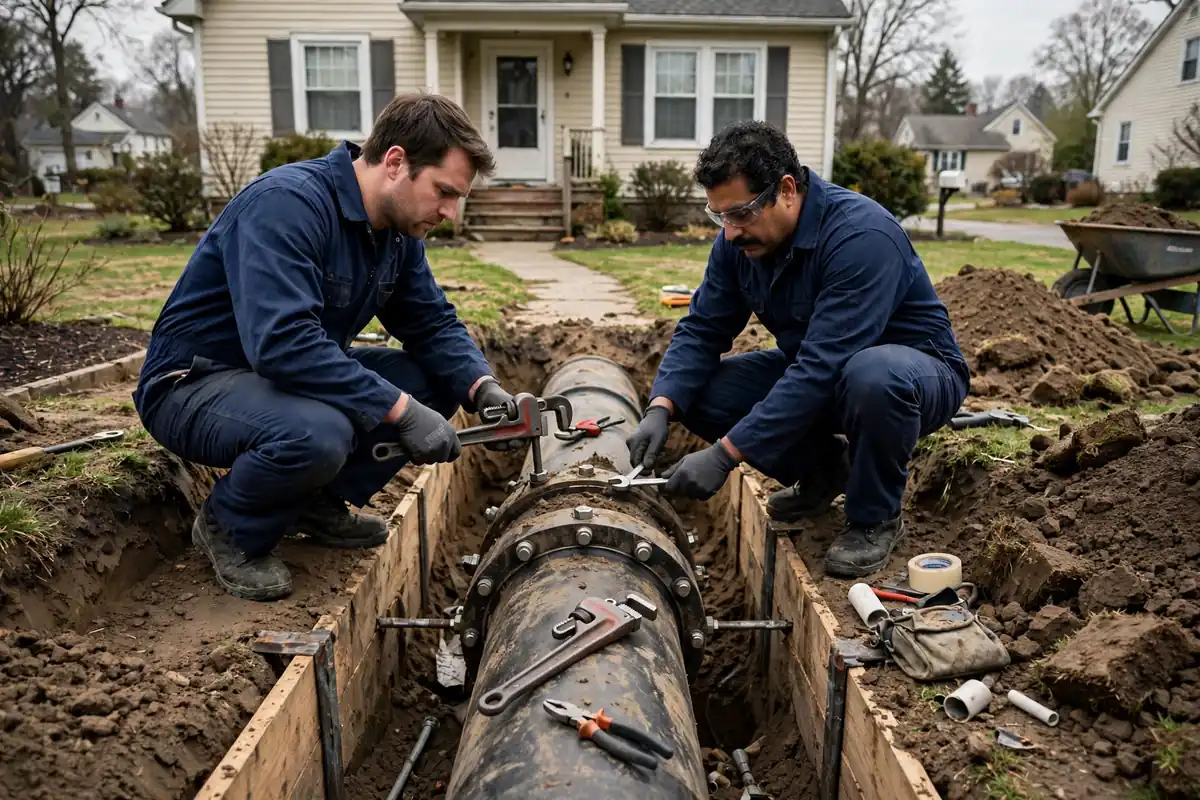
Emergency calls are the first need: a burst pipe in a unit, a sewer backup into a ground-floor apartment, a water heater that has failed open, and a home with no water. Turnover work is the second: a unit between tenants is the moment to fix the running toilet, the slow drain, the water heater that has never been flushed, and the shutoffs that no longer shut off. Planned work is the third: repiping a building whose galvanized lines have reached the end of their service life, relining a lateral that has roots at every joint, and replacing water heaters on a schedule rather than on failure. The work is documented per unit, so the manager knows what was done, where, and when — and the next call starts from a record rather than from scratch.
Reducing emergency calls across a portfolio
The pattern that drives emergency calls across a portfolio is the same pattern that drives them in a single home: old pipes, cold winters, and maintenance that was never done. A lateral camera-inspected once, a water heater flushed annually, a sump pump tested every spring, and the pipes that froze last winter insulated before the next freeze — these are the steps that turn emergency calls into planned work. A portfolio with a maintenance schedule is a portfolio whose tenants call about a dripping faucet rather than a flooded basement, and the difference is the schedule, not the buildings.
Winter preparation across a portfolio
Winter preparation for a portfolio is the same work as for a single home, multiplied across units and scheduled before the first hard freeze. The pipes that froze last winter are the list: the exterior-wall runs, the crawl-space lines, the unheated utility rooms, and the vacant units where the heat was turned down. Each one is insulated, or the air leaks around it are sealed, before October ends. The vacant units need the most attention, because a home left at a low thermostat setting freezes quickly — and a vacant unit's burst pipe is discovered by the tenant below, not by the owner.
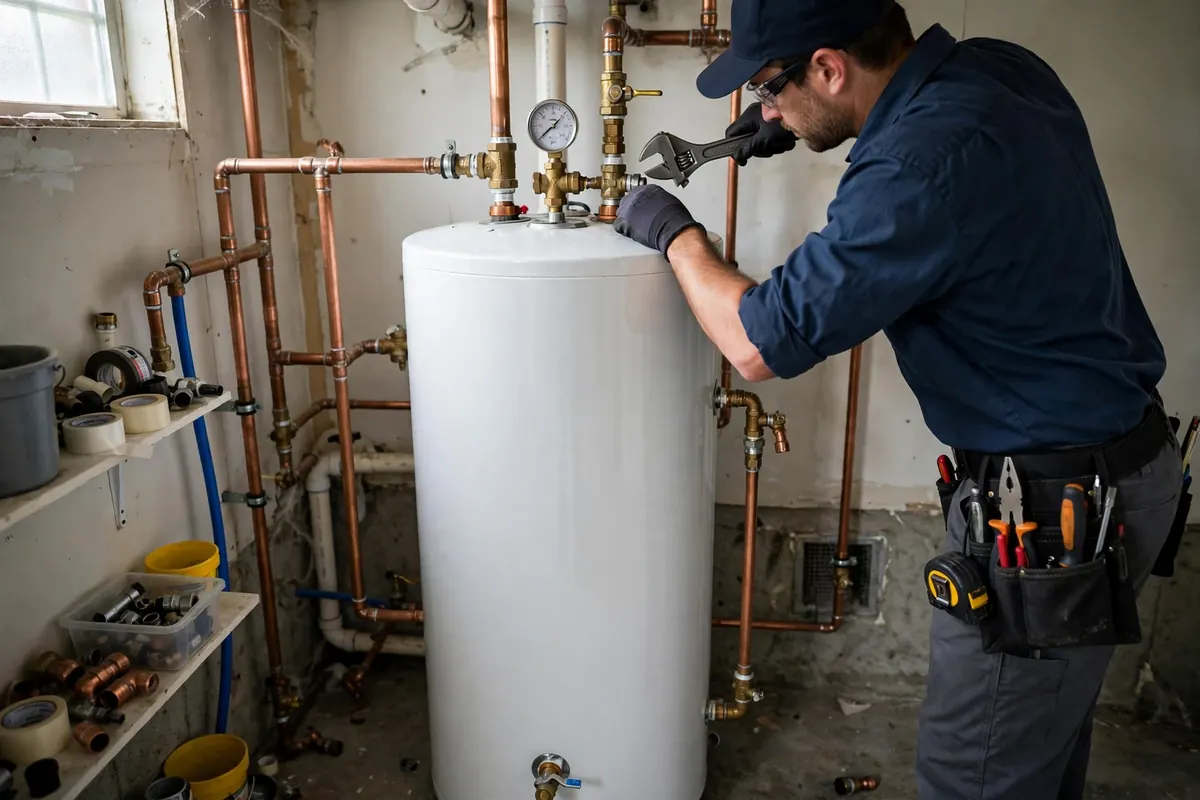
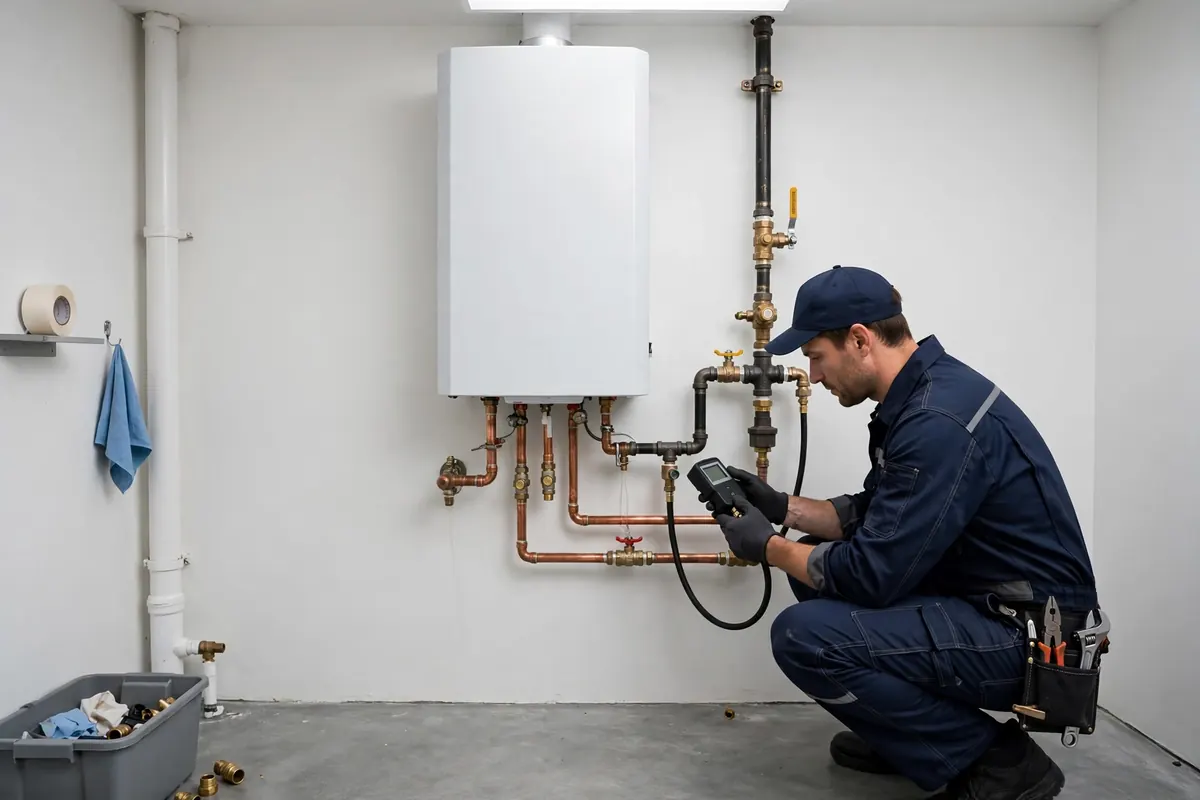
The water heaters across a portfolio are the second list. A heater that has never been flushed, in a unit whose tenant has never reported a problem, is a heater whose failure arrives as an emergency call. Flushing on a schedule, and replacing heaters that have reached the end of their service life before they leak, turns emergency calls into planned work. The water heater pages explain the service and the replacement decision, and the record — what was done, where, and when — is what makes the next call start from evidence rather than from scratch.
Plumbing services for Property Managers & Landlords
Questions, answered
Do you work with property managers in Harrisburg?
Yes. Multi-unit buildings, rowhomes with several units, and suburban rentals across the metro — emergency calls, turnover work, and planned replacements.
What is the most common plumbing problem in Harrisburg rentals?
Recurring drain clogs from clay laterals with root intrusion, running toilets, water heaters that have never been flushed, and burst pipes in winter.
Can you document work per unit?
Yes. Work is documented per unit, so the manager knows what was done, where, and when — and the next call starts from a record.
What should be done at turnover?
Fix the running toilet, clear the slow drain, flush the water heater, check the shutoffs, and camera-inspect a lateral that has clogged twice. A unit between tenants is the moment to do the work.
Need a plumber for your property managers & landlords? Call Now.
Talk with a local plumbing professional about your home. Hours: Mon–Fri 7:00 AM–10:00 PM ET · Sat 8:00 AM–10:00 PM ET · Sun 7:00 AM–9:00 PM ET.
Call NowGet in touch
Call Now from any page and you will be connected with a local plumbing professional serving Harrisburg and the surrounding metro. You can also reach us by email at hello@harrisburgplumbingpros.com.
Hours: Mon–Fri 7:00 AM–10:00 PM ET · Sat 8:00 AM–10:00 PM ET · Sun 7:00 AM–9:00 PM ET.
Call Now