Home › Industries › Residential Homes
Industries · Harrisburg, PAPlumbing for Residential Homes in Harrisburg, PA
Most of the plumbing in the Harrisburg metro serves homes — rowhomes in Midtown and Uptown, ranches and split-levels in Mechanicsburg and Camp Hill, borough houses in Carlisle and New Cumberland, and the newer subdivisions on the edges of every town. The work is the same across them: a supply system
Talk with a local plumbing professional
Hours: Mon–Fri 7:00 AM–10:00 PM ET · Sat 8:00 AM–10:00 PM ET · Sun 7:00 AM–9:00 PM ET
Call NowPlumbing for Harrisburg homes
Most of the plumbing in the Harrisburg metro serves homes — rowhomes in Midtown and Uptown, ranches and split-levels in Mechanicsburg and Camp Hill, borough houses in Carlisle and New Cumberland, and the newer subdivisions on the edges of every town. The work is the same across them: a supply system that carries water to every fixture, a drain system that carries it away, and a water heater that keeps it hot. What changes is the age of the system and the house around it. A rowhome built in 1947 has galvanized lines and a clay lateral. A ranch built in 1965 has a utility-room heater and a long lateral. A subdivision home built in 2010 has PEX and PVC, and the problems are different — a failed fixture, a frozen garage line, a water heater that has never been serviced.
The residential call is usually urgent in a way commercial work is not, because the household has lost a basic service: no hot water, no water at all, a toilet that will not flush, a basement taking water. The emergency plumber page explains what counts as an emergency and what to do first. The routine work — a running toilet, a slow drain, a water heater that is getting noisy — is the work that prevents the emergency, and it is worth doing before the failure arrives rather than after it.
What residential work covers
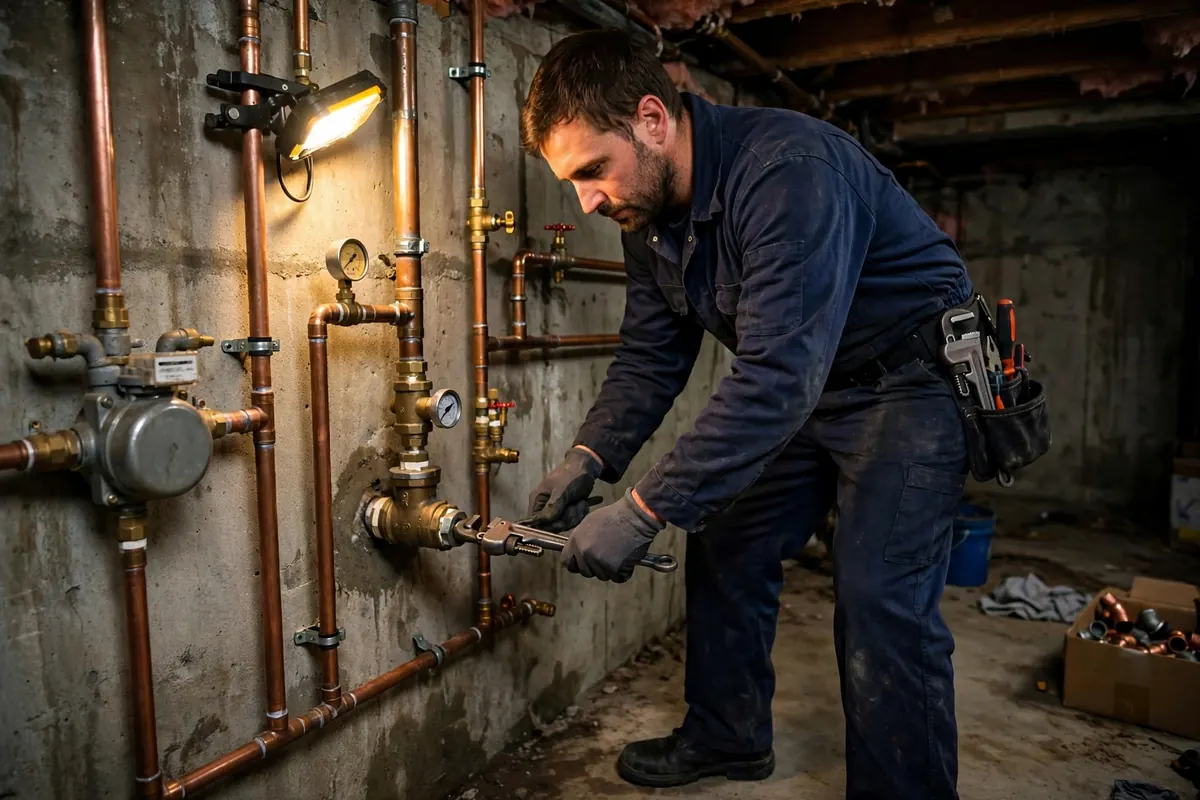
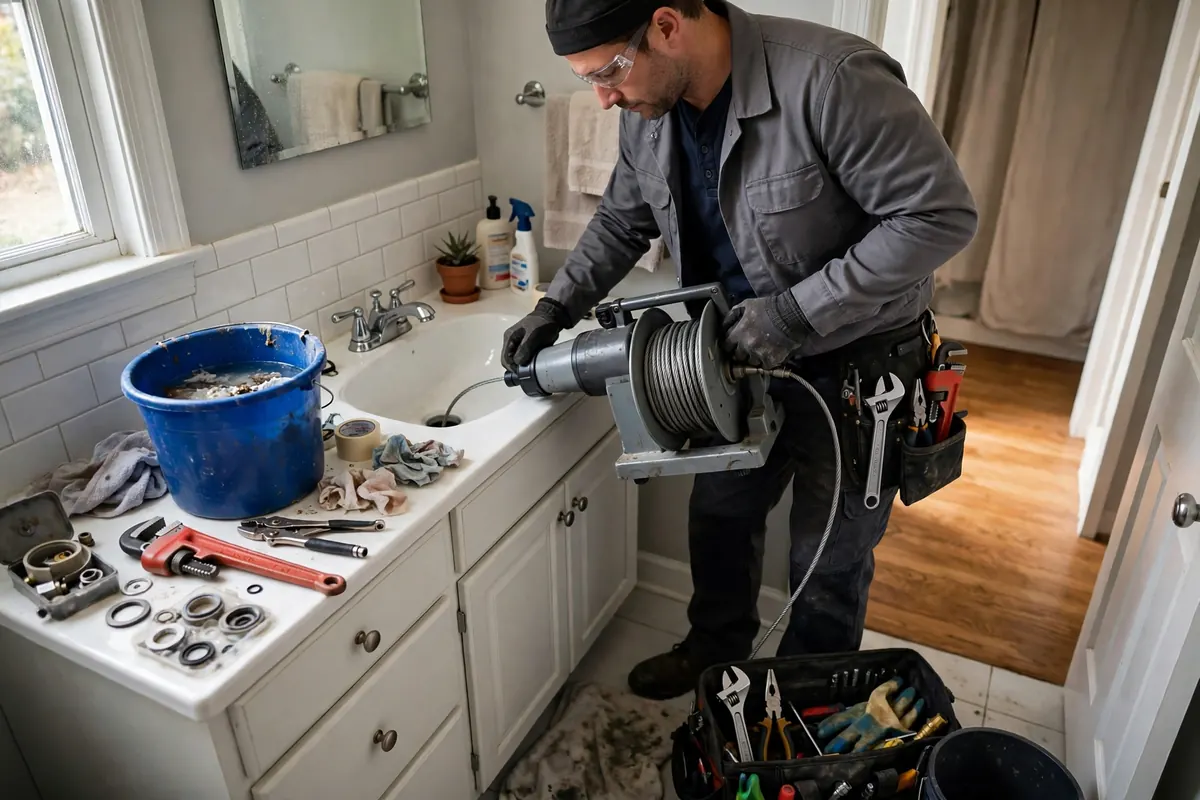
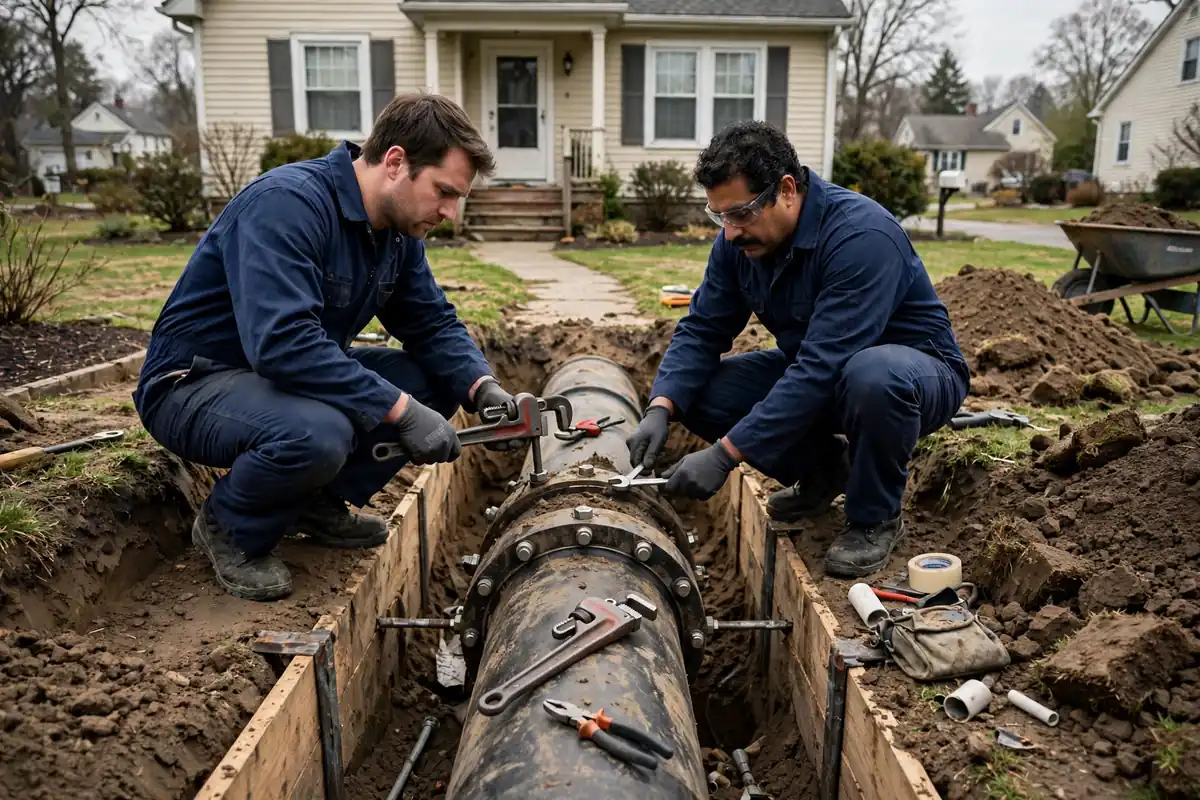
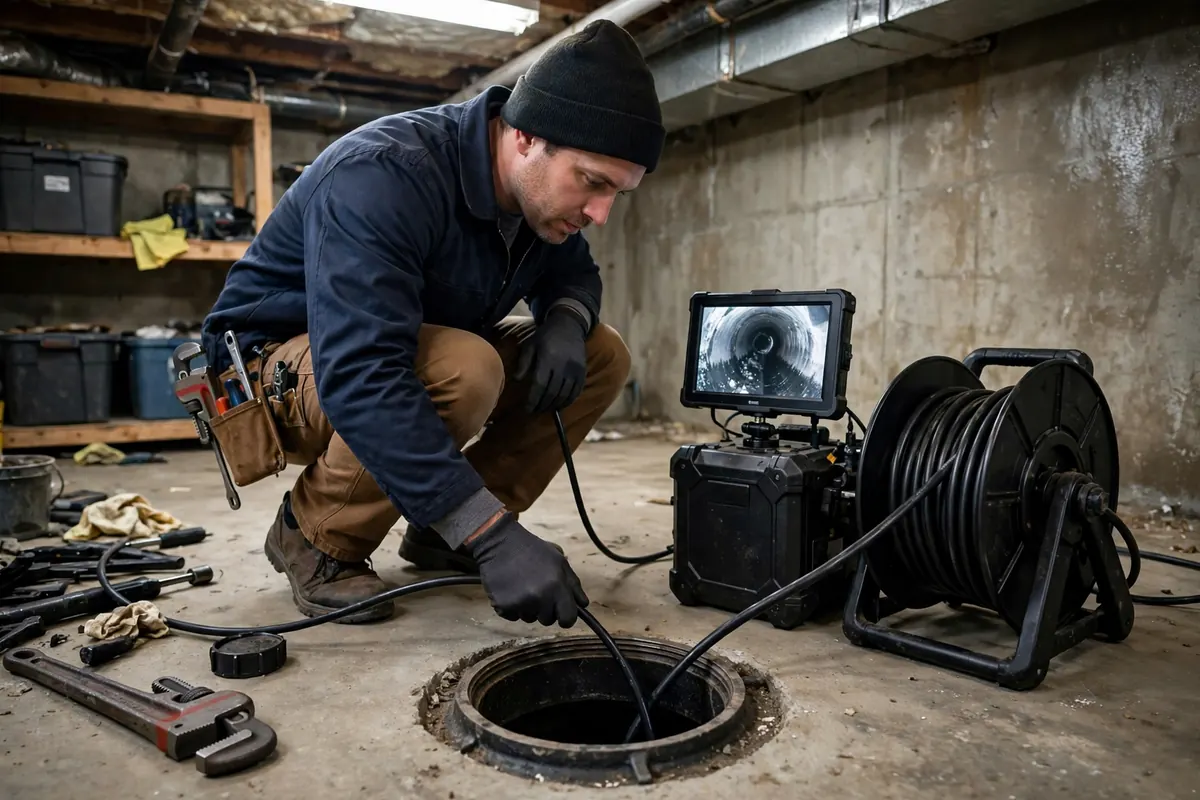
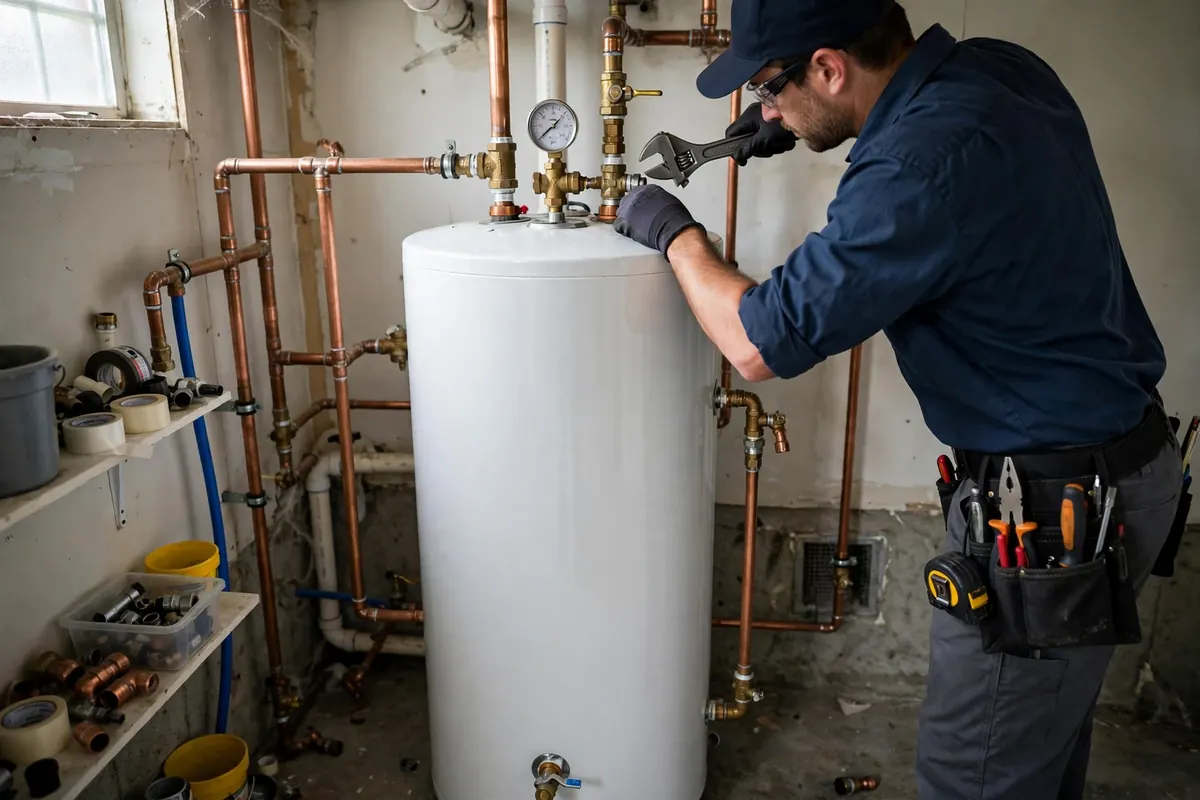
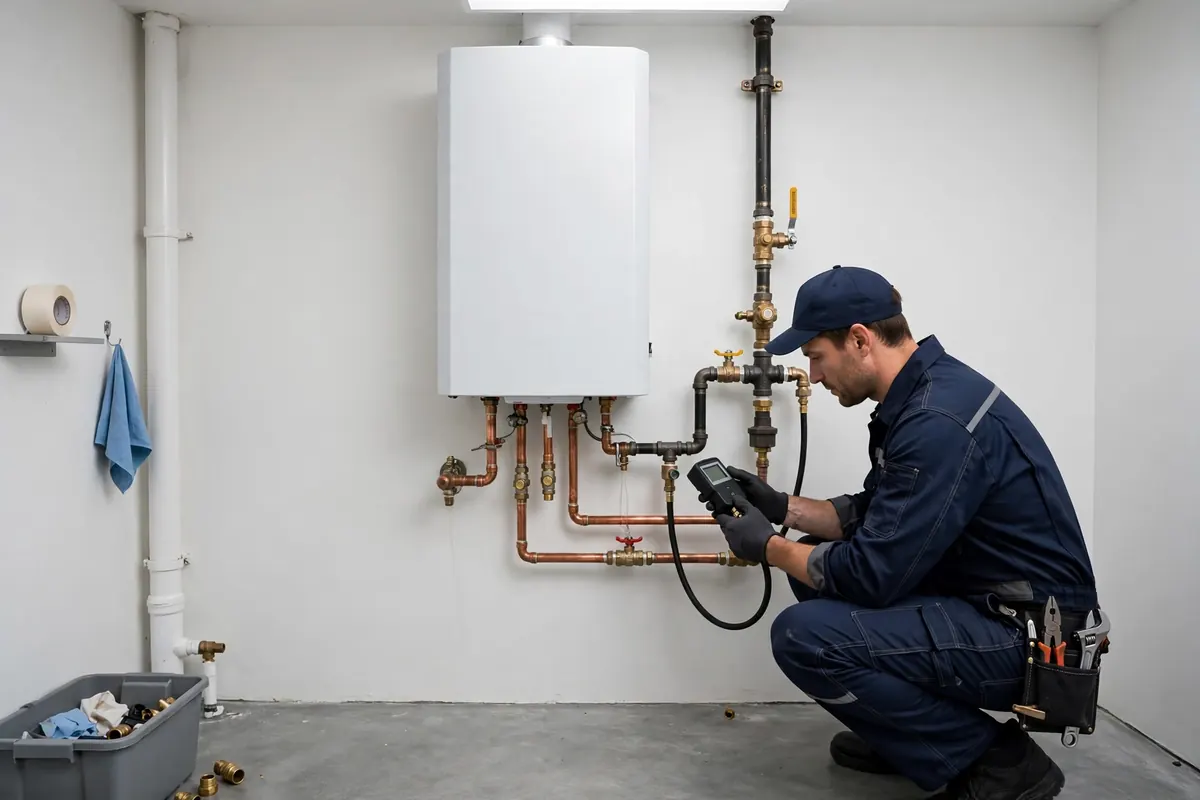
Residential plumbing covers the whole house: emergency repair for burst pipes, major leaks and sewer backups; drain cleaning for slow and clogged drains; sewer line repair and camera inspection for the lateral; water heater repair and replacement, including tankless installation; leak detection for hidden leaks in walls, floors and slabs; repiping for homes whose galvanized lines have reached the end of their service life; sump pump installation and repair for basements that take water; and toilet, faucet and fixture repair. The service pages on this site explain each of these in detail, and the areas pages explain the local picture in each community across the metro.
Why older Harrisburg homes need a plan
A home whose plumbing is older than its owner needs a plan, not a series of emergency calls. The plan starts with knowing what the system is made of — galvanized or copper supply lines, clay or cast-iron laterals — and it continues with the maintenance that keeps the system serving: an annual water heater flush, a spring sump pump test, a camera inspection of a lateral that has clogged twice, and insulation of the pipes that froze last winter. The blog on this site has the guides: winterizing, the signs a sewer line is failing, the signs a home needs repiping, and the hidden-leak signs that show up on the water bill before they show up on the ceiling.
Renters, first-time buyers, and the home you inherit
Not every Harrisburg homeowner bought the plumbing — many inherited it. A first-time buyer in a Midtown rowhome inherits galvanized lines and a clay lateral installed before their grandparents were born. A renter in an Allison Hill apartment inherits a stack that has been narrowing for generations and a landlord who may not know it. The first year in an older Harrisburg home is the year to learn what the system is: where the main shutoff is, what the supply lines are made of, whether the lateral has ever been camera-inspected, and when the water heater was last flushed. Those four answers are the baseline, and they are worth getting in the first month rather than after the first emergency.
The landlord's side of the same picture is the turnover. A unit between tenants is the moment to fix the running toilet, clear the slow drain, flush the water heater, and check the shutoffs that no longer shut off — because the work is less disruptive and faster with the unit empty, and the next tenant's first call will not be an emergency. The property managers page explains the portfolio side of the same work, and the areas pages explain the local picture in each community.
Plumbing services for Residential Homes
Questions, answered
What residential plumbing services do you offer in Harrisburg?
Emergency plumbing, drain cleaning, sewer line repair and camera inspection, water heater repair and replacement, tankless installation, leak detection, repiping, sump pump work, and toilet and fixture repair.
Do you serve homes outside Harrisburg itself?
Yes. The service area covers the Harrisburg–Carlisle metro: Mechanicsburg, Camp Hill, Hershey, Carlisle, Lemoyne, Hummelstown, Enola and New Cumberland, each with its own page on this site.
My home was built in the 1940s. What should I watch for?
Galvanized supply lines corroding from the inside, clay laterals with root intrusion, frozen pipes on exterior walls, and a water heater that has never been flushed. The repiping and sewer pages explain the signs.
How do I know if my home needs repiping?
Two or more leaks in different places, falling pressure across the house, or rust-coloured water at the taps. The repiping page explains the decision in detail.
Need a plumber for your residential homes? Call Now.
Talk with a local plumbing professional about your home. Hours: Mon–Fri 7:00 AM–10:00 PM ET · Sat 8:00 AM–10:00 PM ET · Sun 7:00 AM–9:00 PM ET.
Call NowGet in touch
Call Now from any page and you will be connected with a local plumbing professional serving Harrisburg and the surrounding metro. You can also reach us by email at hello@harrisburgplumbingpros.com.
Hours: Mon–Fri 7:00 AM–10:00 PM ET · Sat 8:00 AM–10:00 PM ET · Sun 7:00 AM–9:00 PM ET.
Call Now